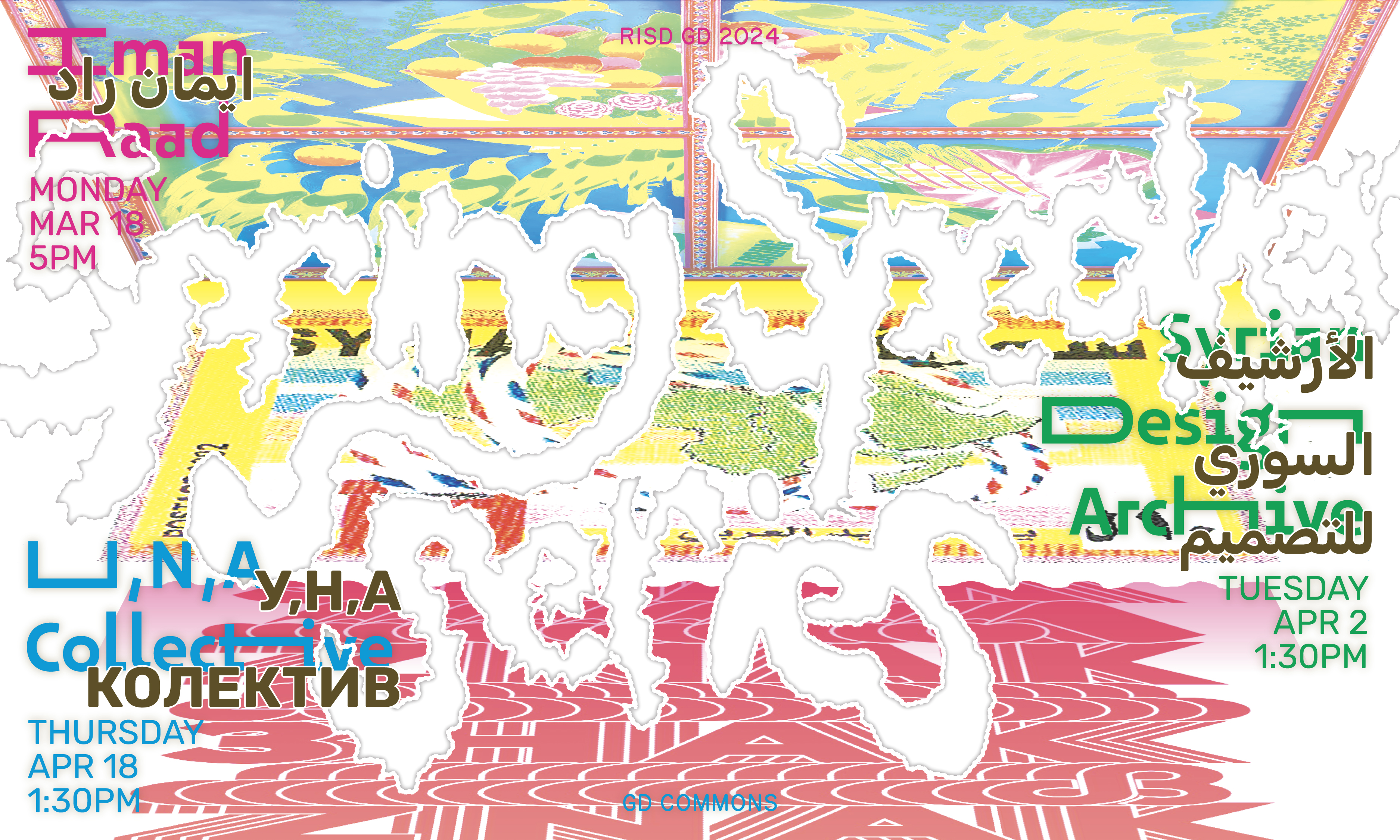
The RISD GD 2024 Spring Speaker Series is underway! This season’s series is curated by Associate Professor Anastasiia Raina and includes Iman Raad on Monday, March 18 (in-person), the Syrian Design Archive on Tuesday, April 2 (remote / RSVP to attend), and U,N,A Collective on Thursday, April 18 (in-person). These events take place on the RISD campus in the GD Commons, 31 Canal Street, and are free and open to the public. Event graphics by Tina Zhou (MFA 25) and Ryan Hsiao (BFA 24).
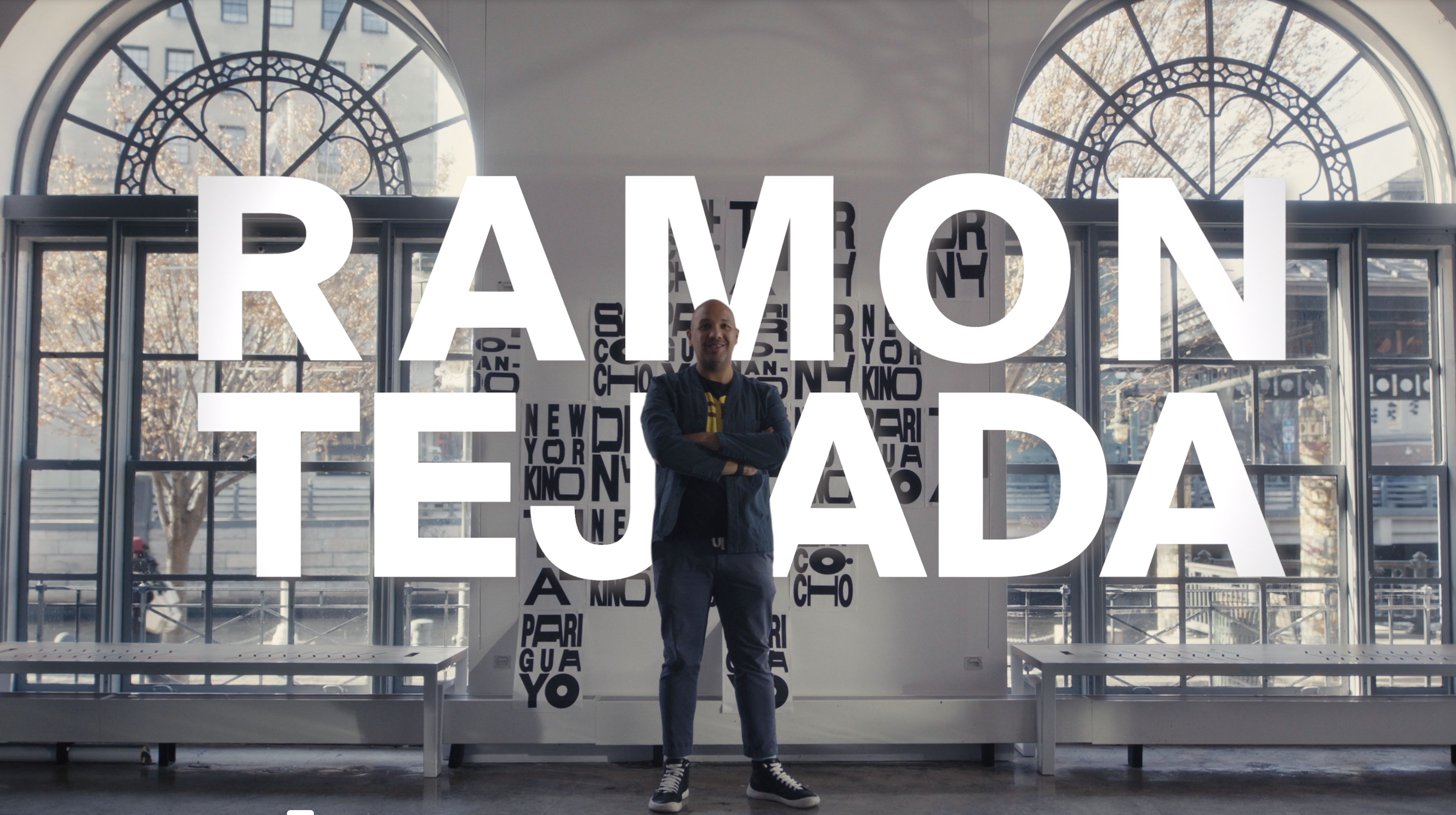
RISD Graphic Design is thrilled to announce that Associate Professor Ramon Tejada has been awarded the 2024 Vilcek Prize in Design. From the Vilcek Foundation website: “The Vilcek Prizes are awarded to immigrants with a legacy of major accomplishment in the biomedical sciences and the arts and humanities, including: literature, culinary arts, music, filmmaking, architecture, dance, design, fashion, theatre, and visual arts. The Vilcek Prize includes a $100,000 cash award. Ramon Tejada receives the Vilcek Prize in Design for his leadership and commitment to accessibility and decolonization in design practices, and for his pedagogical approach that centers collaboration, inclusion, and radical innovation.” Congratulations Ramon!
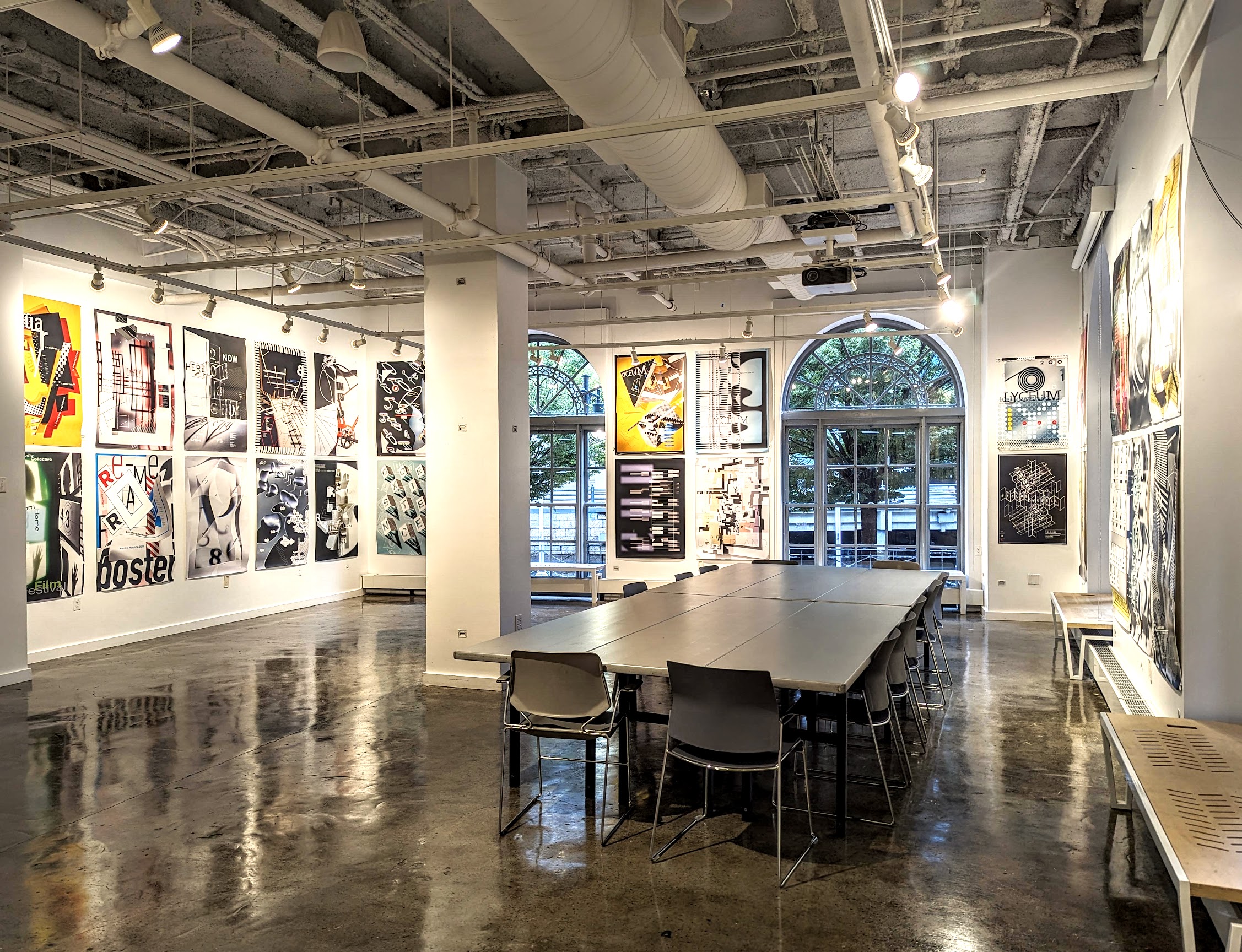
To celebrate the launch of their newly-published book Overlap/Dissolve, Nancy Skolos and Tom Wedell have installed 36 posters in the GD Commons, up now through October 8, 2023. On Wednesday, September 20 at 4:30PM in the GD Commons, RISD GD will host Nancy, Tom, and Jennifer Liese, Director of the Center for Arts & Language, for a talk about the book and their 40-year career designing together. Please join us!
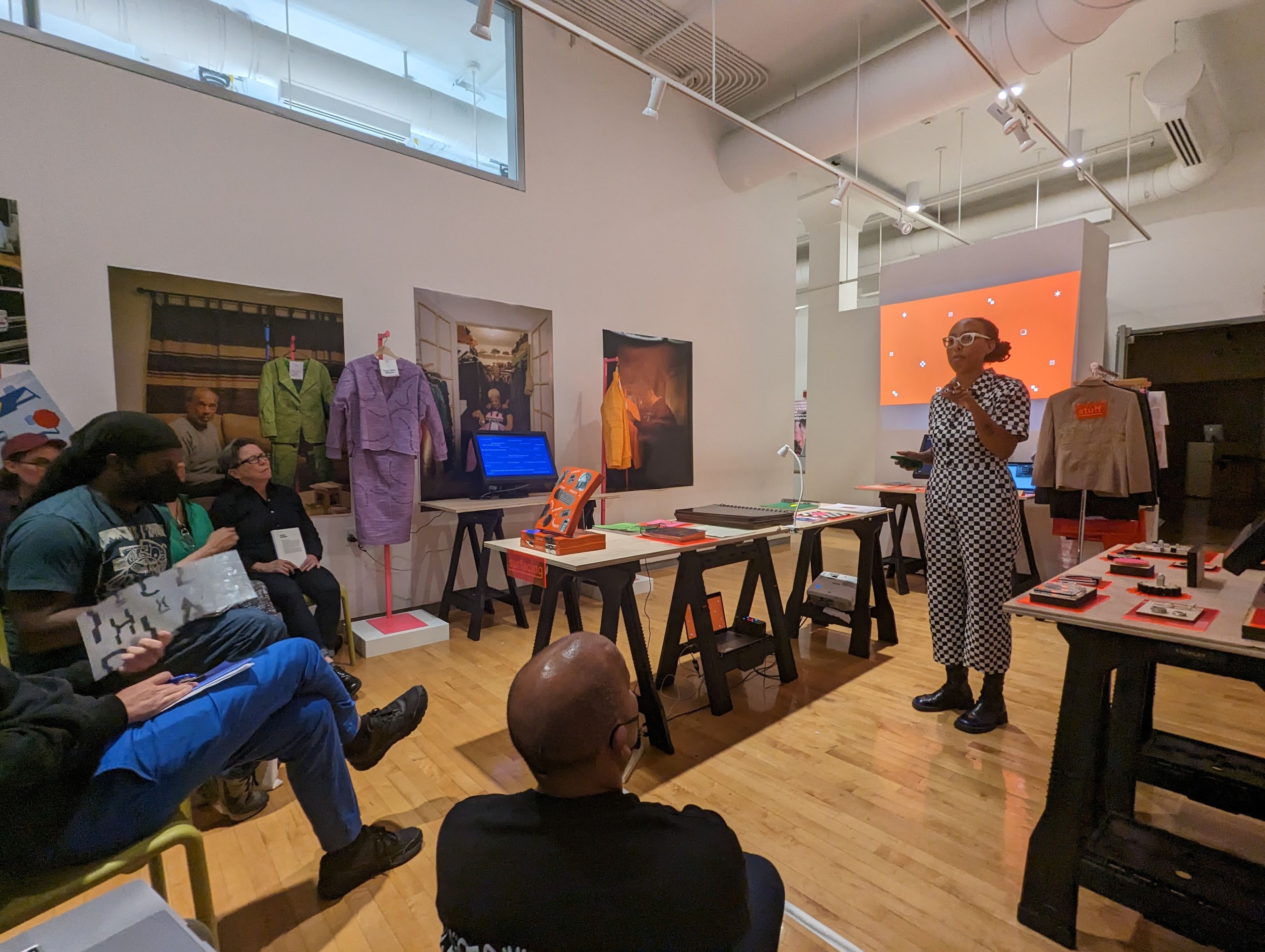
2023 MFA thesis students shared their completed body of work to critics and peers on May 20–21. Pictured: Zoë Pulley presenting her thesis, titled “Surfacing.”
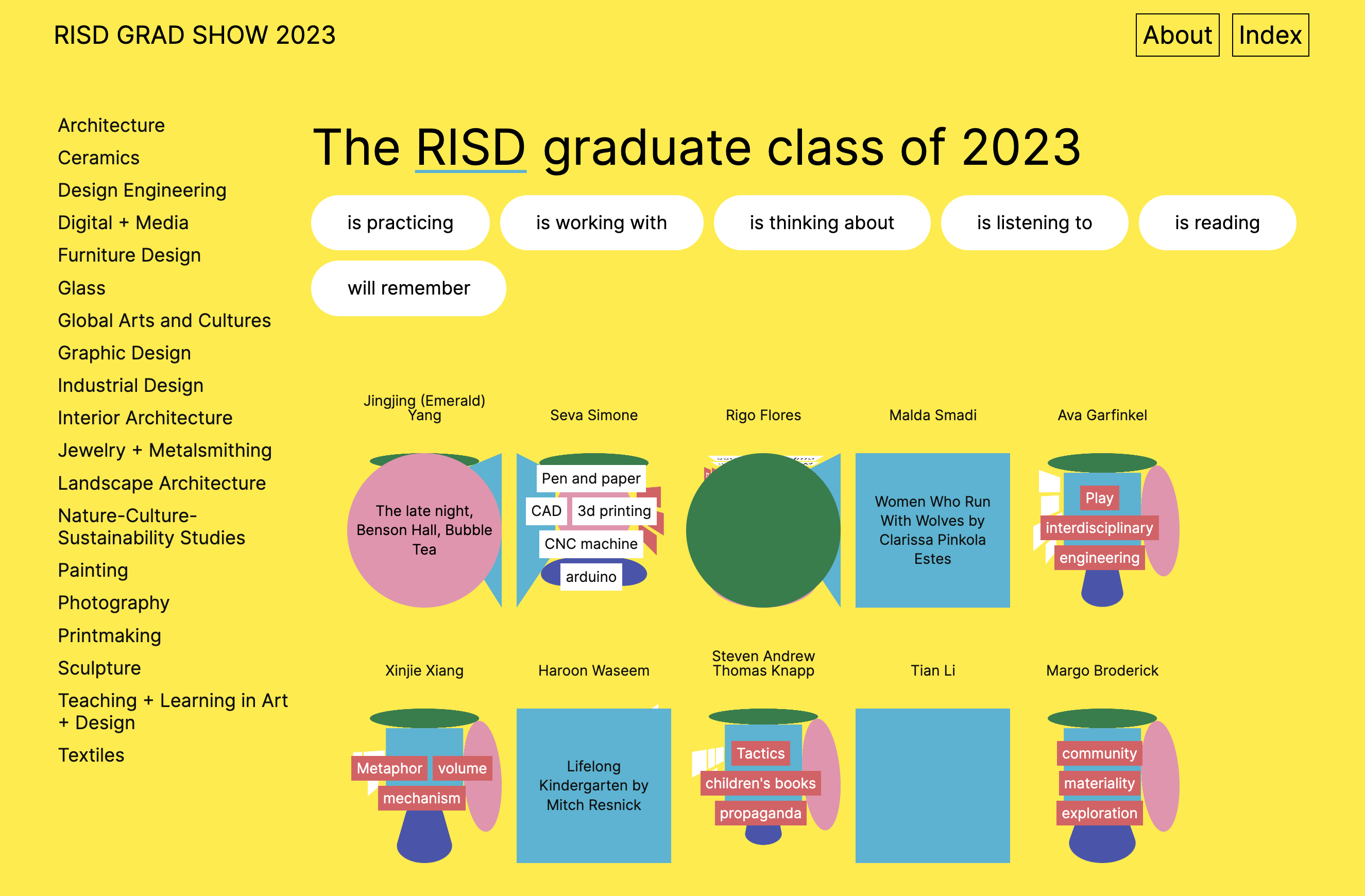
The RISD Graduate Thesis Exhibition runs from Thursday, May 25 until June 3. Exhibition identity by Serena Ho (MFA 2023) & Zach Scheinfeld (MFA 2023). See the online exhibition.
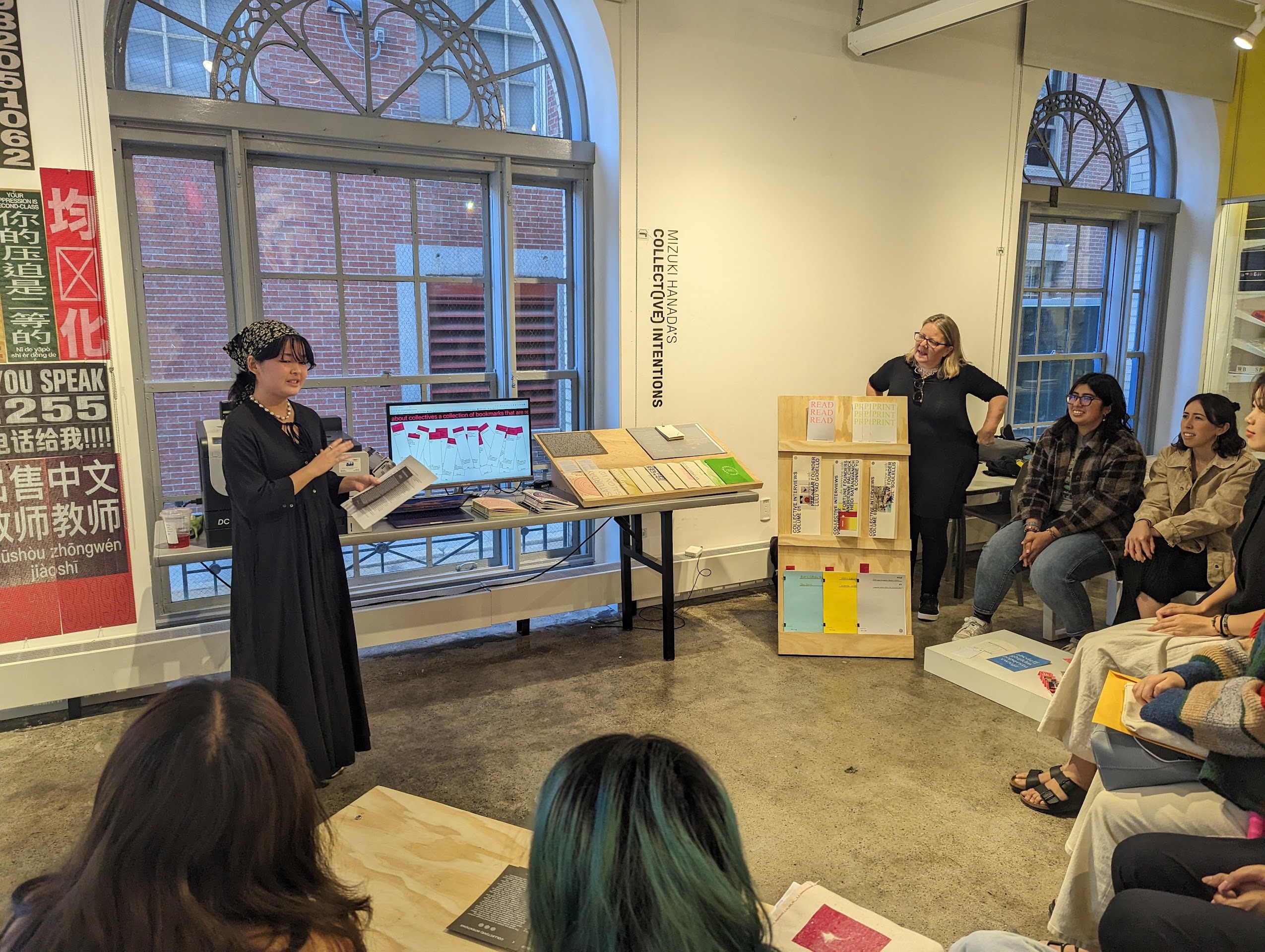
The 2022–23 academic year culminated with graduating seniors presenting their semester-long degree project on May 26. Pictured here is Mizuki Hanada and her project “Collect(ive) Intentions,” advised by Lucy Hitchcock.
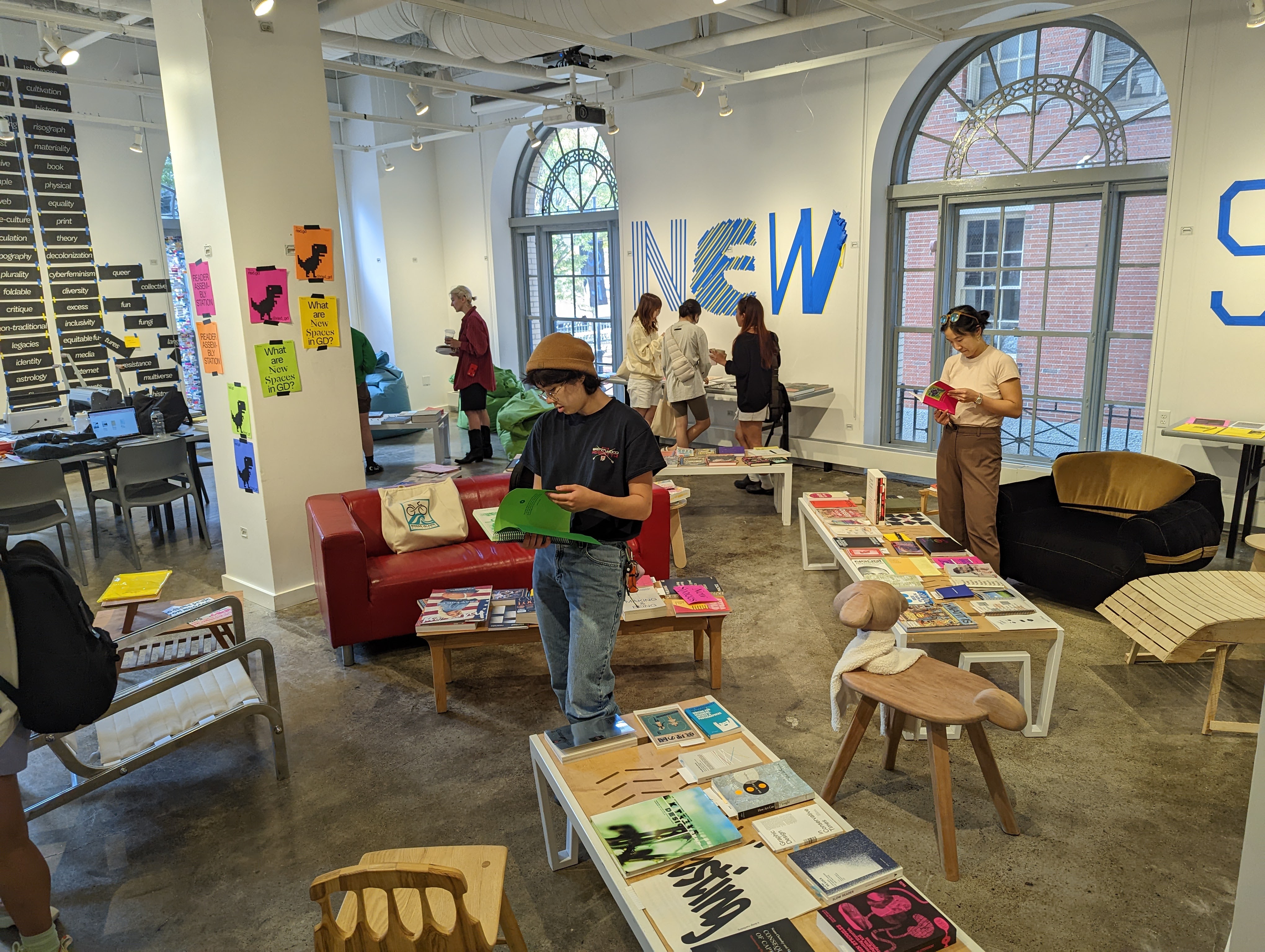
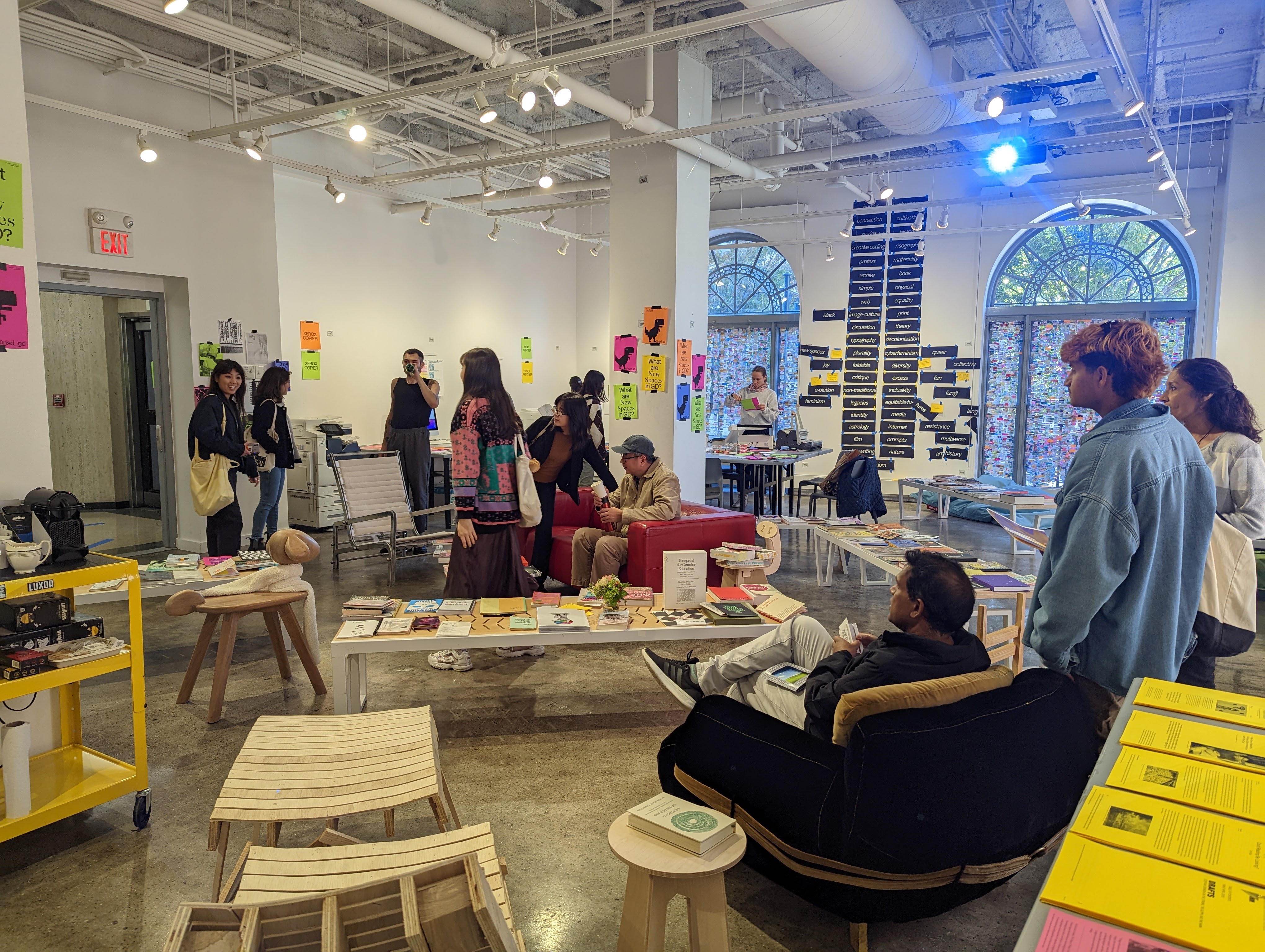
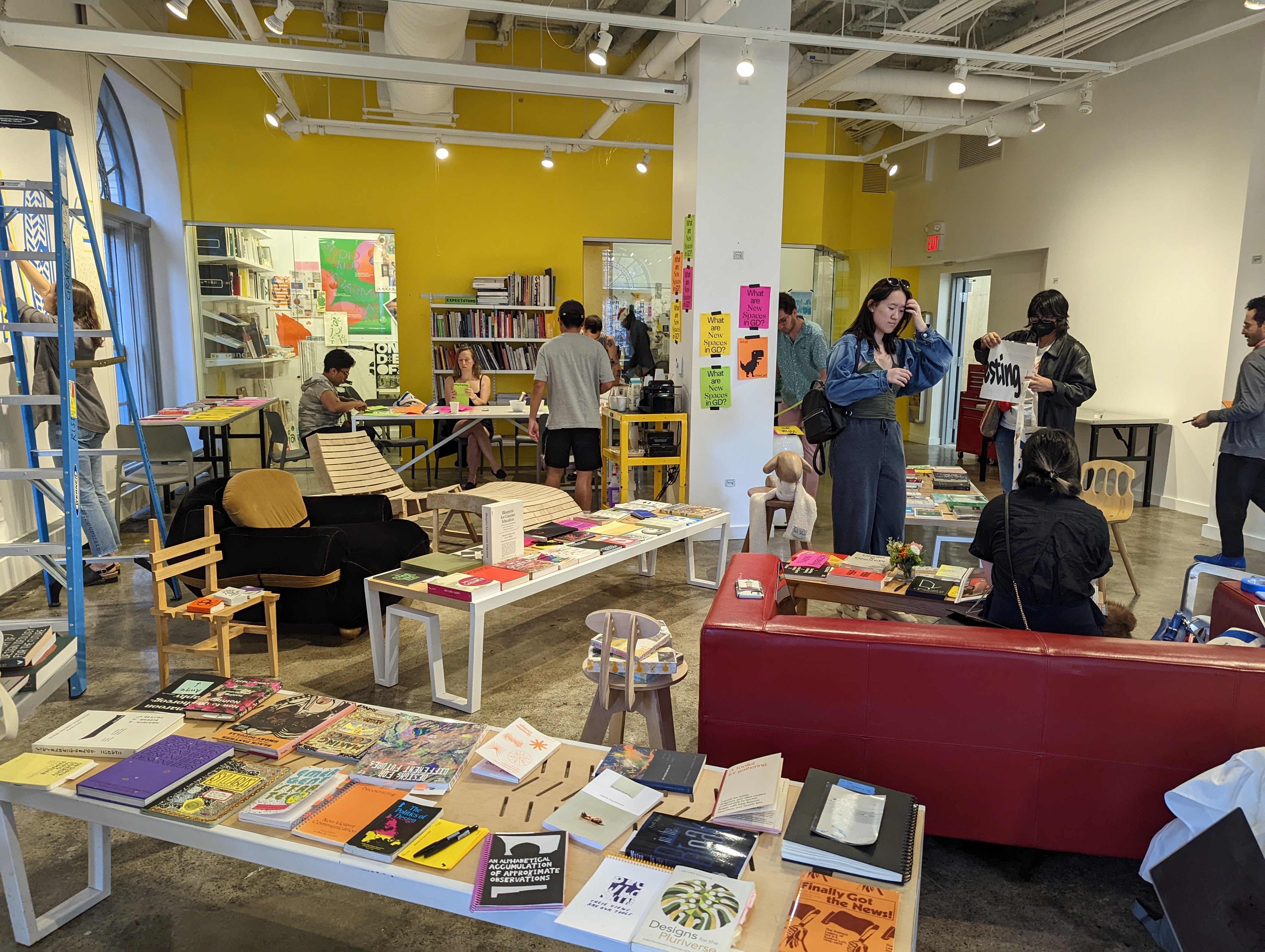
To celebrate the inauguration of President Crystal Willams, students and faculty contributed works and printed materials to “New Space(s),” a 2-day collective reading room installation in the GD commons.
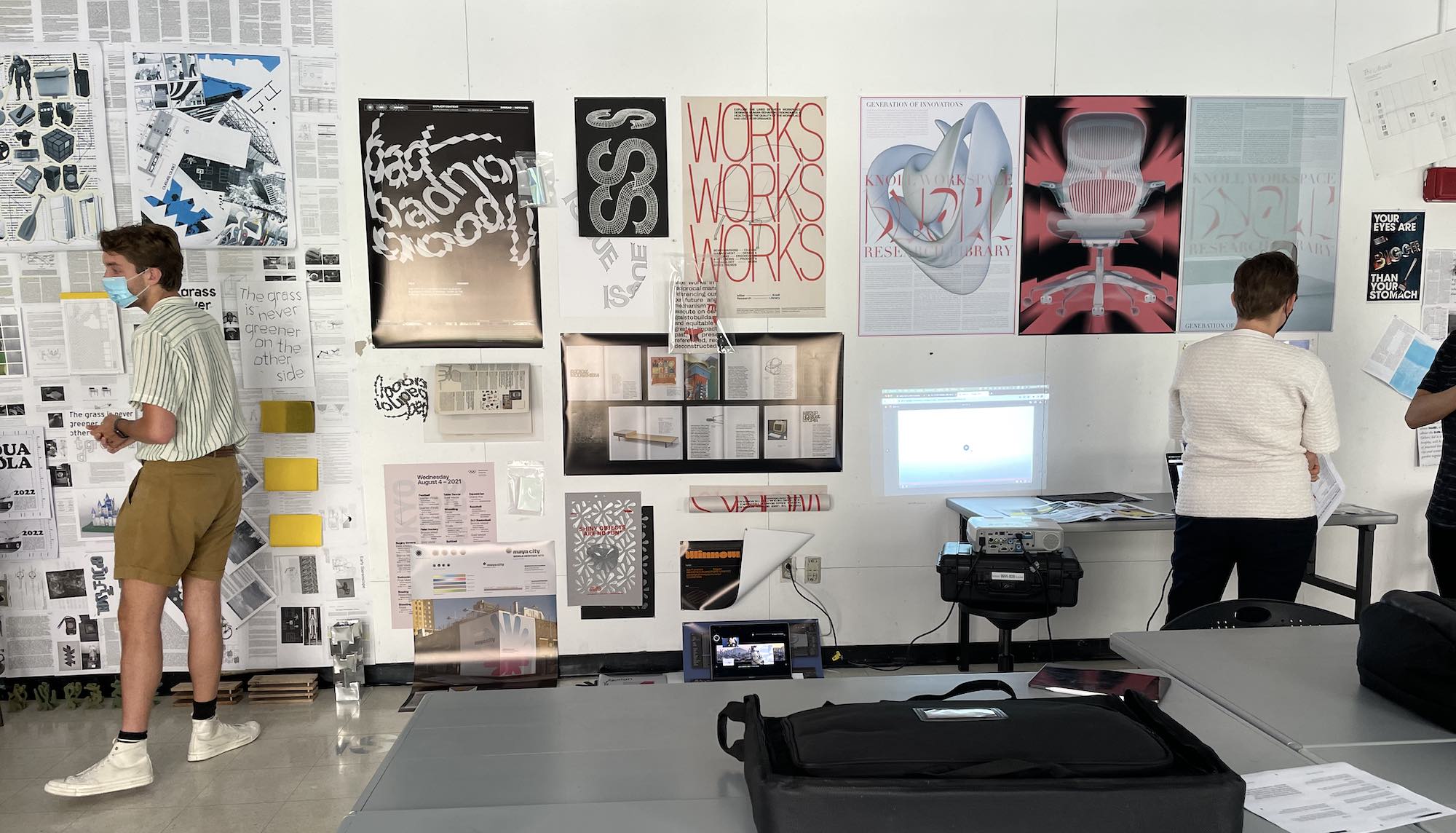
Each undergraduate junior exhibited their body of work from the entire academic year to the RISD community in a book-fair type format.
OnX Variable is a custom typeface and website from Hwan Lee (BFA 2023). See the project.
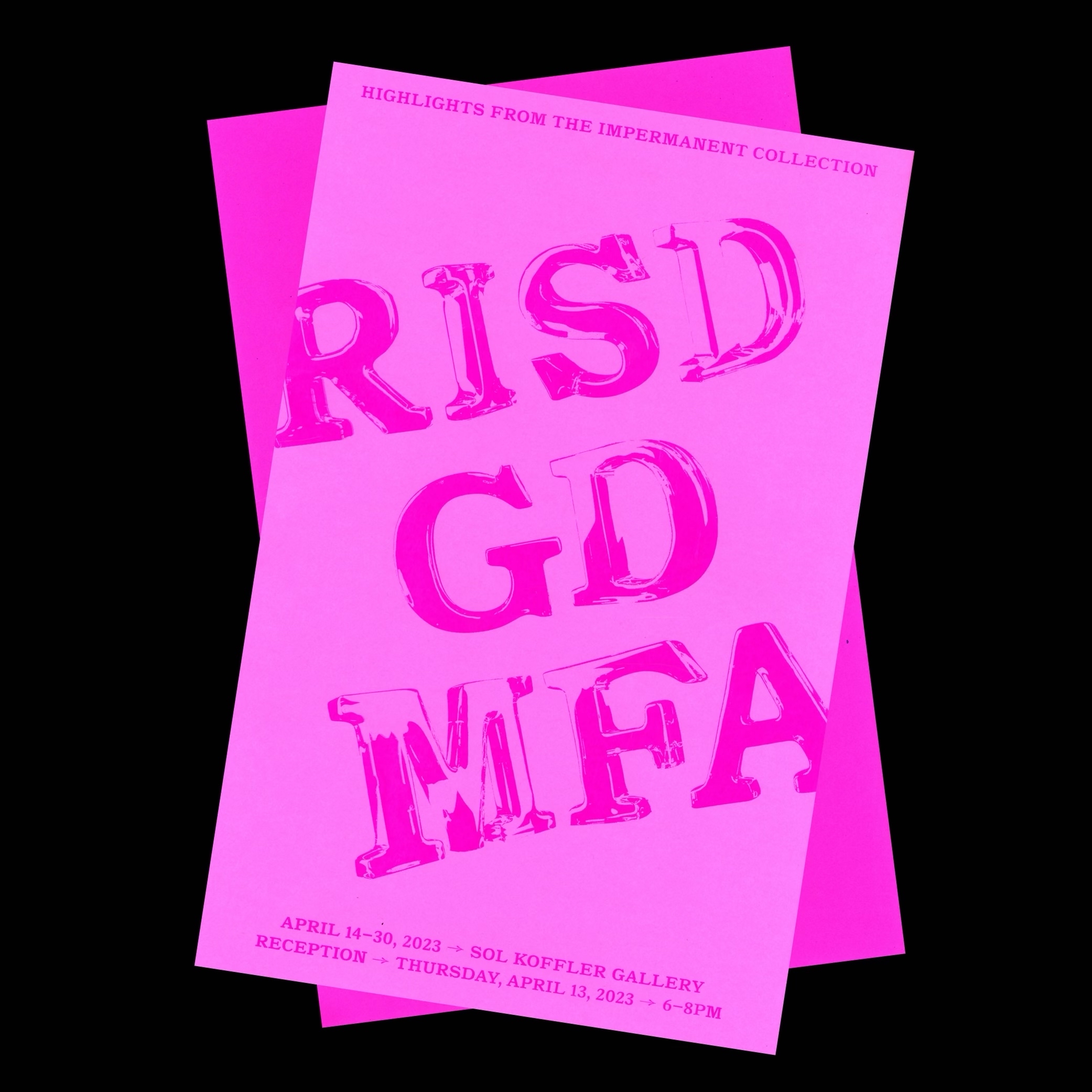
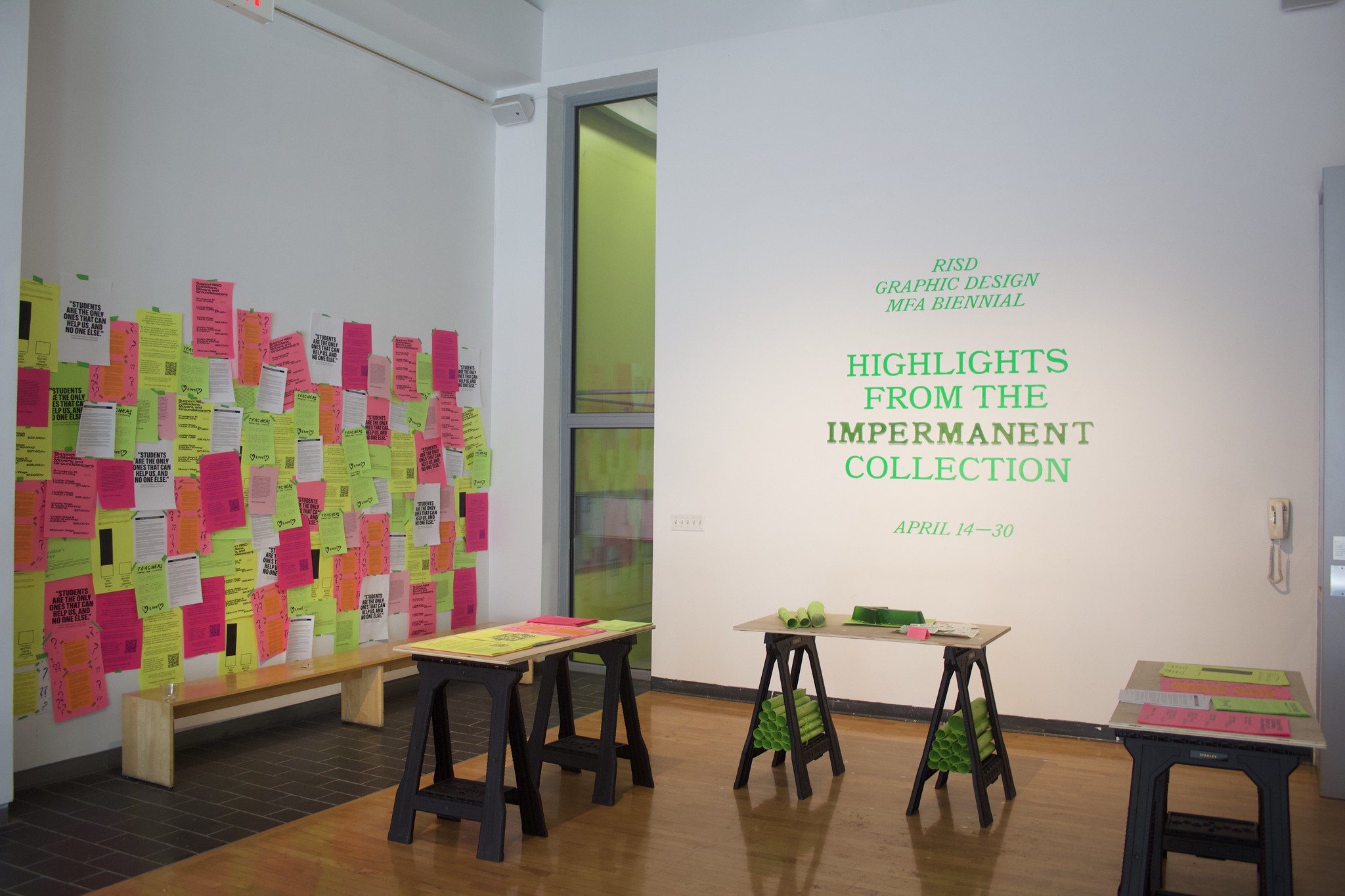
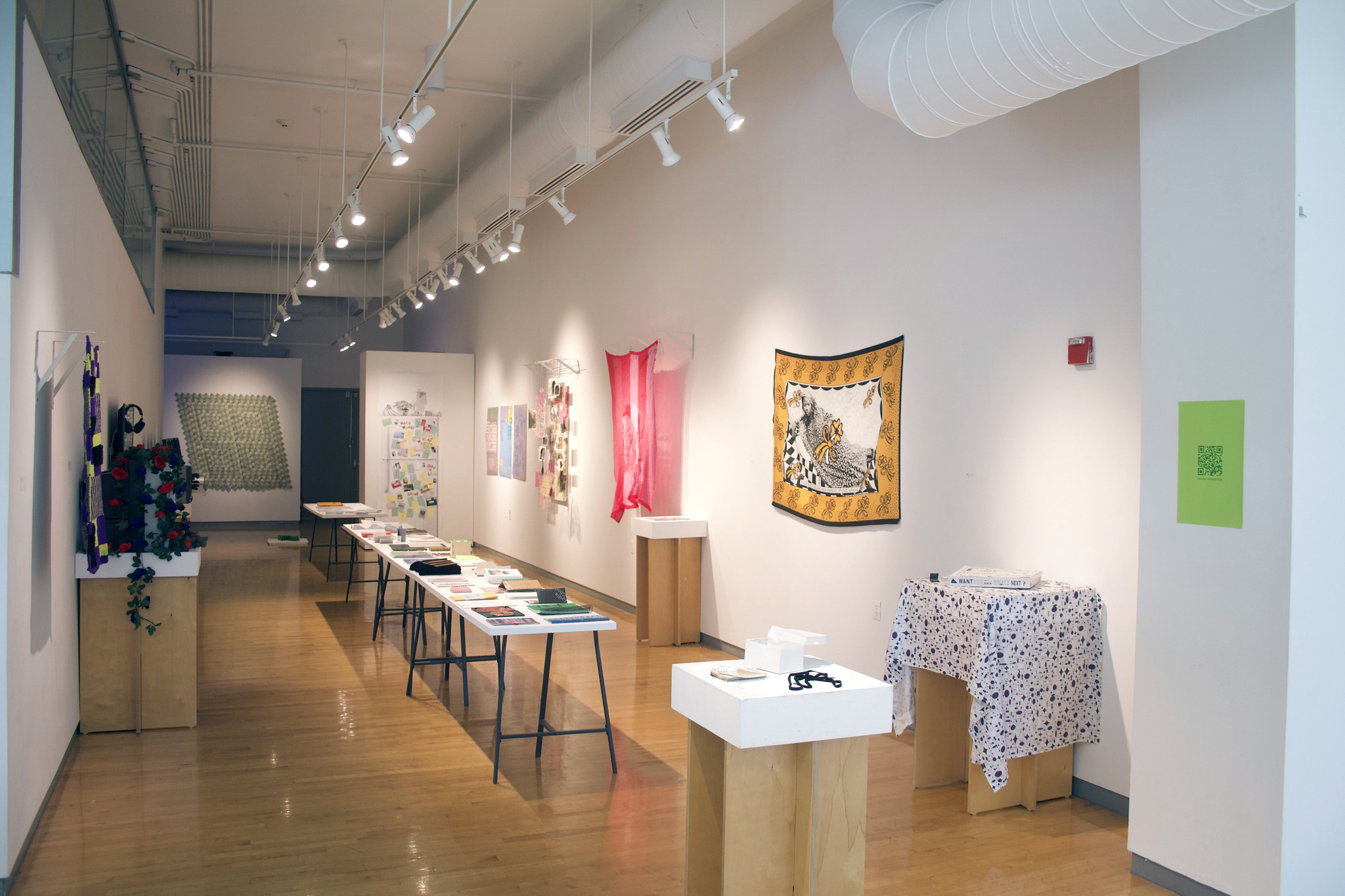
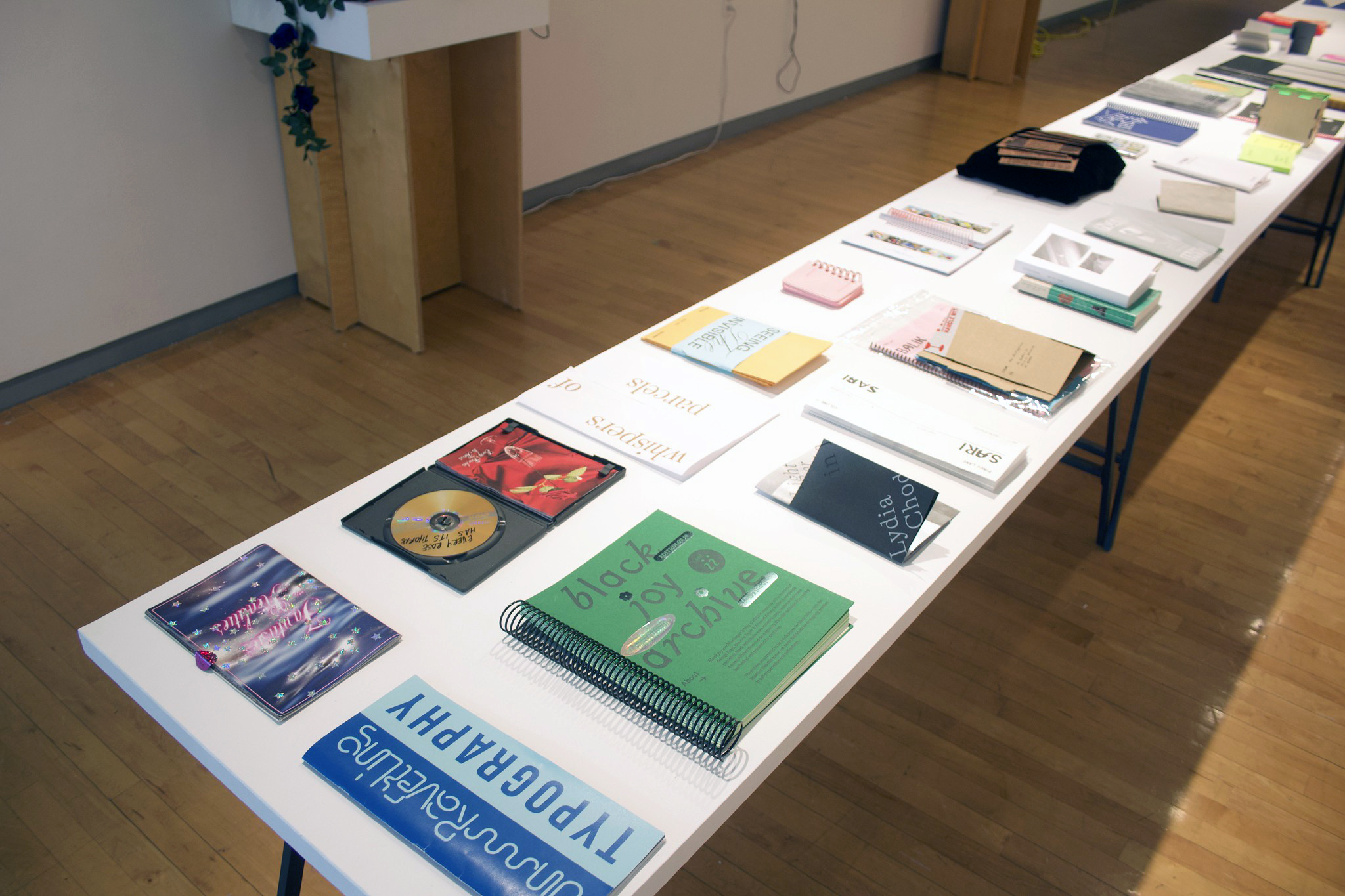
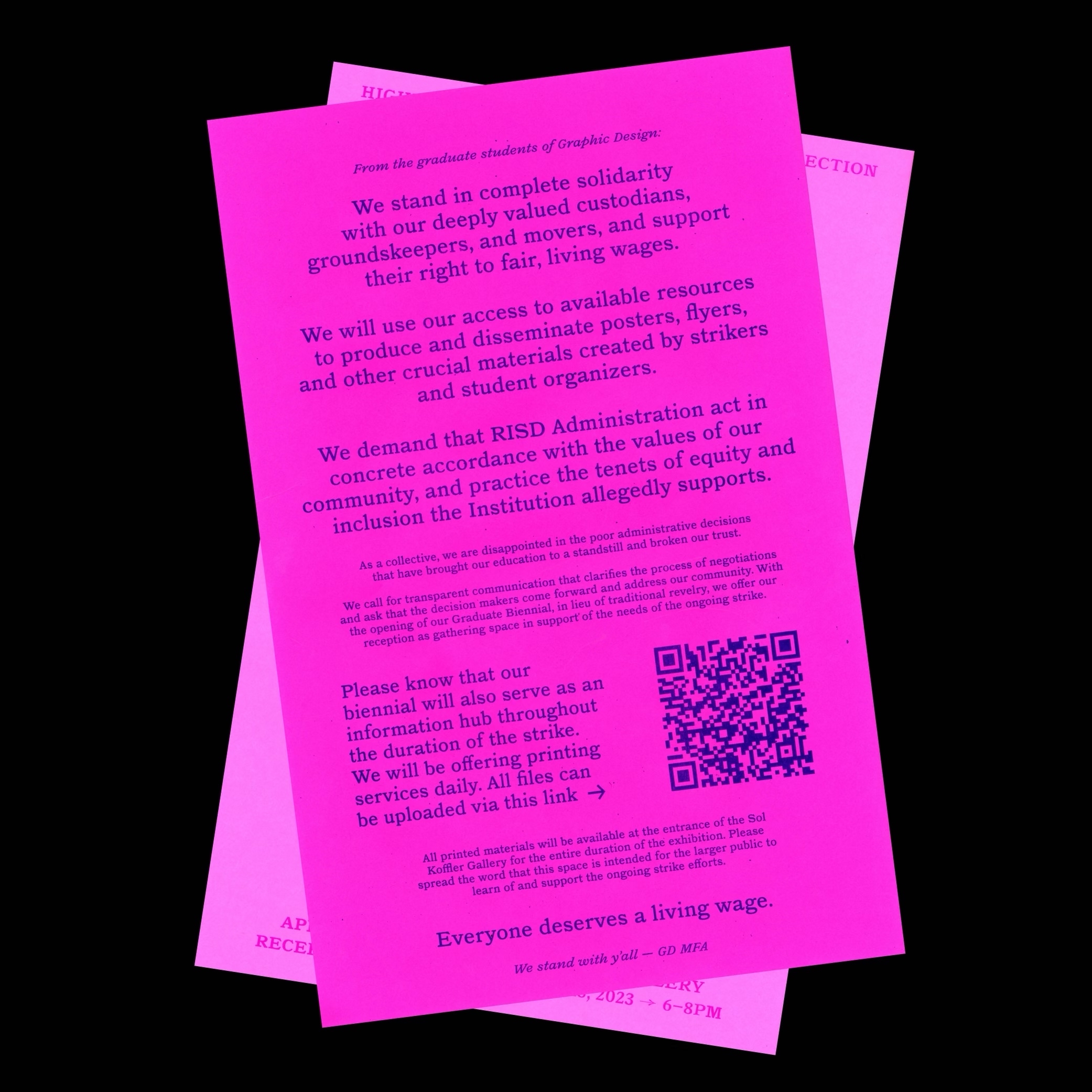
2023 RISD GD MFA Biennial
“Highlights from the Impermanent Collection”
April 14–30
Sol Koffler Gallery
169 Weybosset Street
The term “Permanent Collection” often pertains to the works of art owned by an institution, and represents a distinct set of values and tastes. Highlights from the Impermanent Collection positions itself outside any rigid set of significations. We do not want to suggest an oppositional stance; instead, we prefer an optimistic one. We celebrate the process. We celebrate each other.
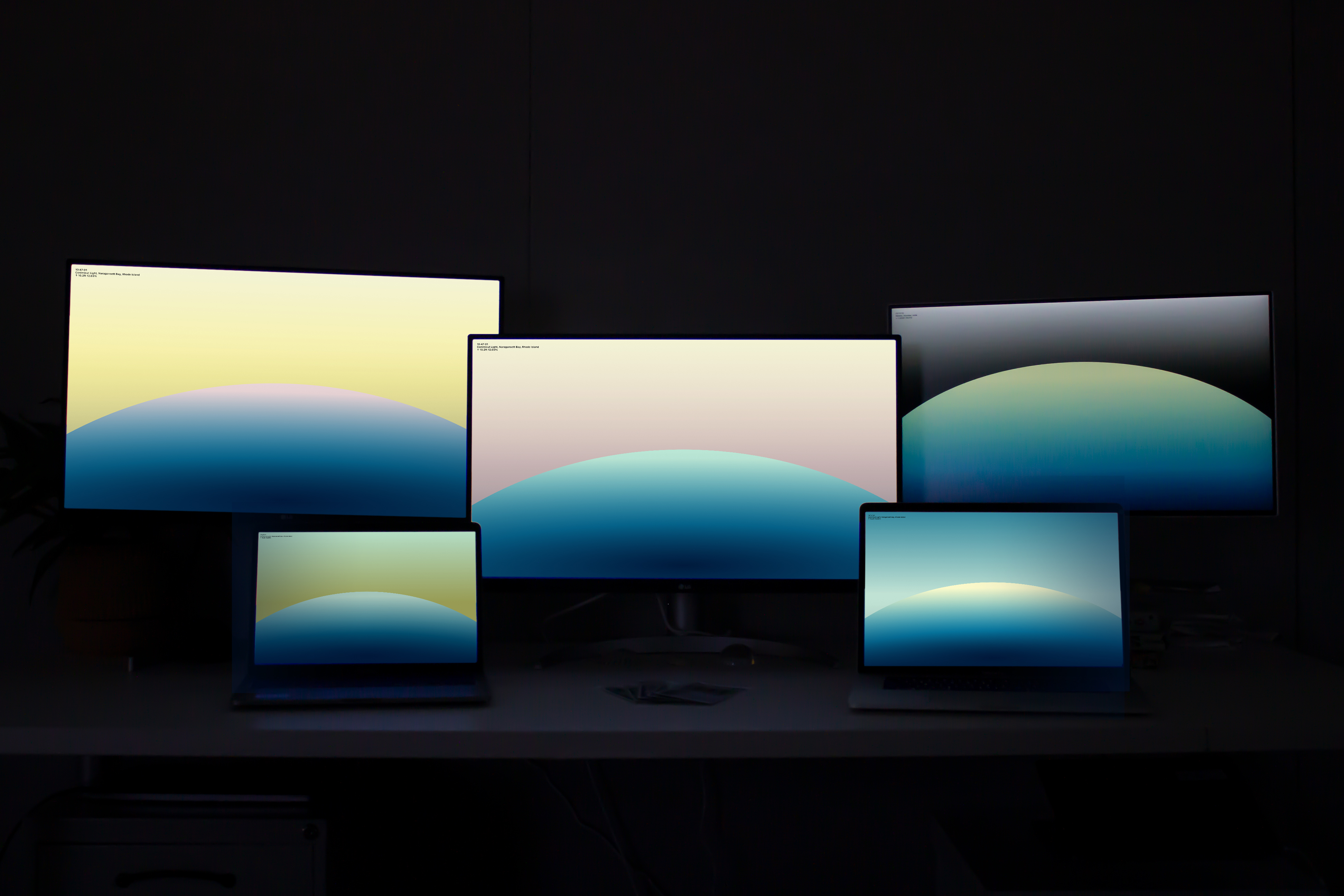
Tide Machine pulls data from ocean tide stations across the world to display the rise and fall of water levels at your location. Created in Graduate Studio 2 by Lian Fumerton-Liu, MFA 2023 (with assistance from Colin Dunn).
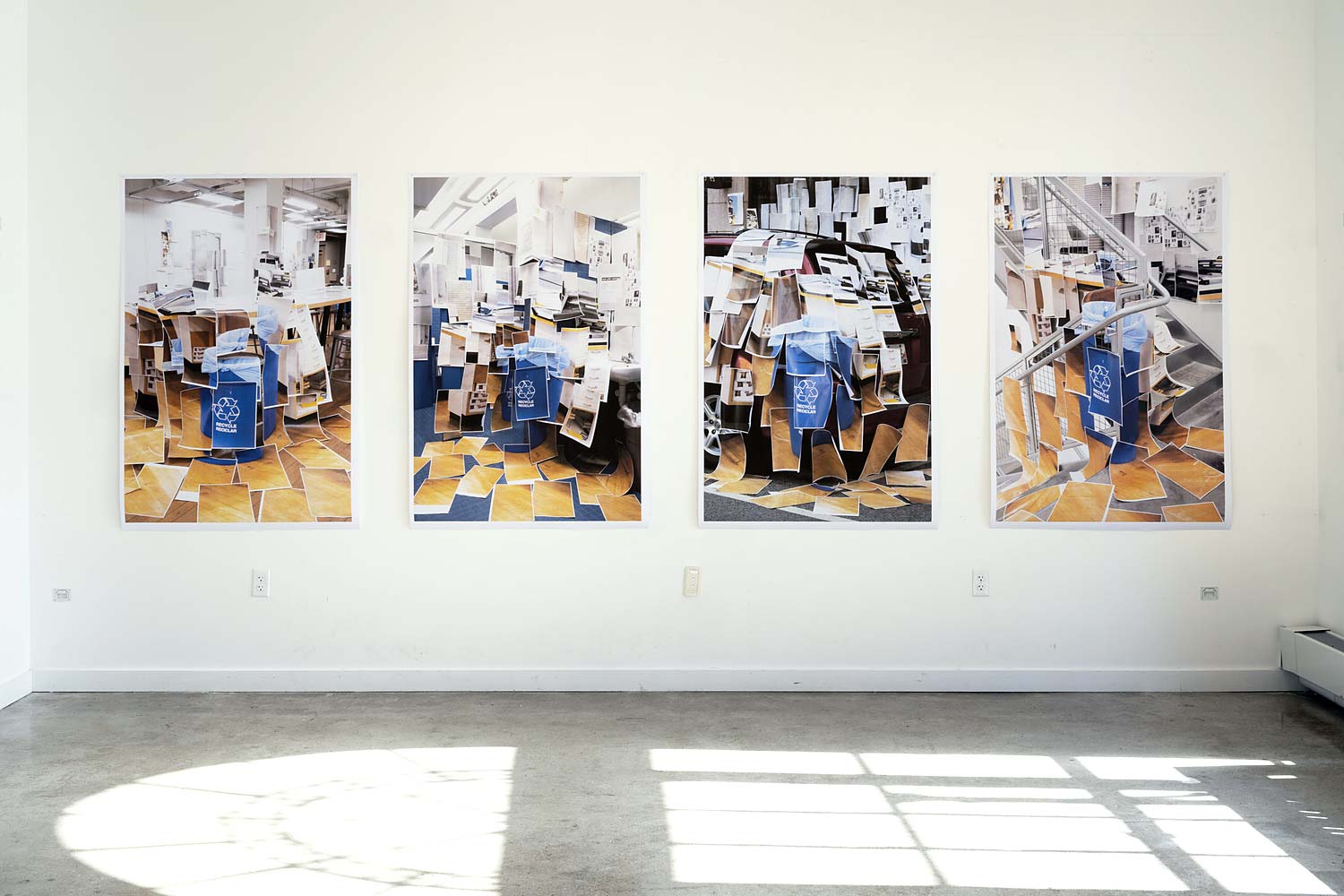
Recycled Pages, an exhibition of photographs of in-situ paper-based collages by Ben Denzer (MFA 2023), was up in the GD Commons in early April. See photographs of the exhibition.
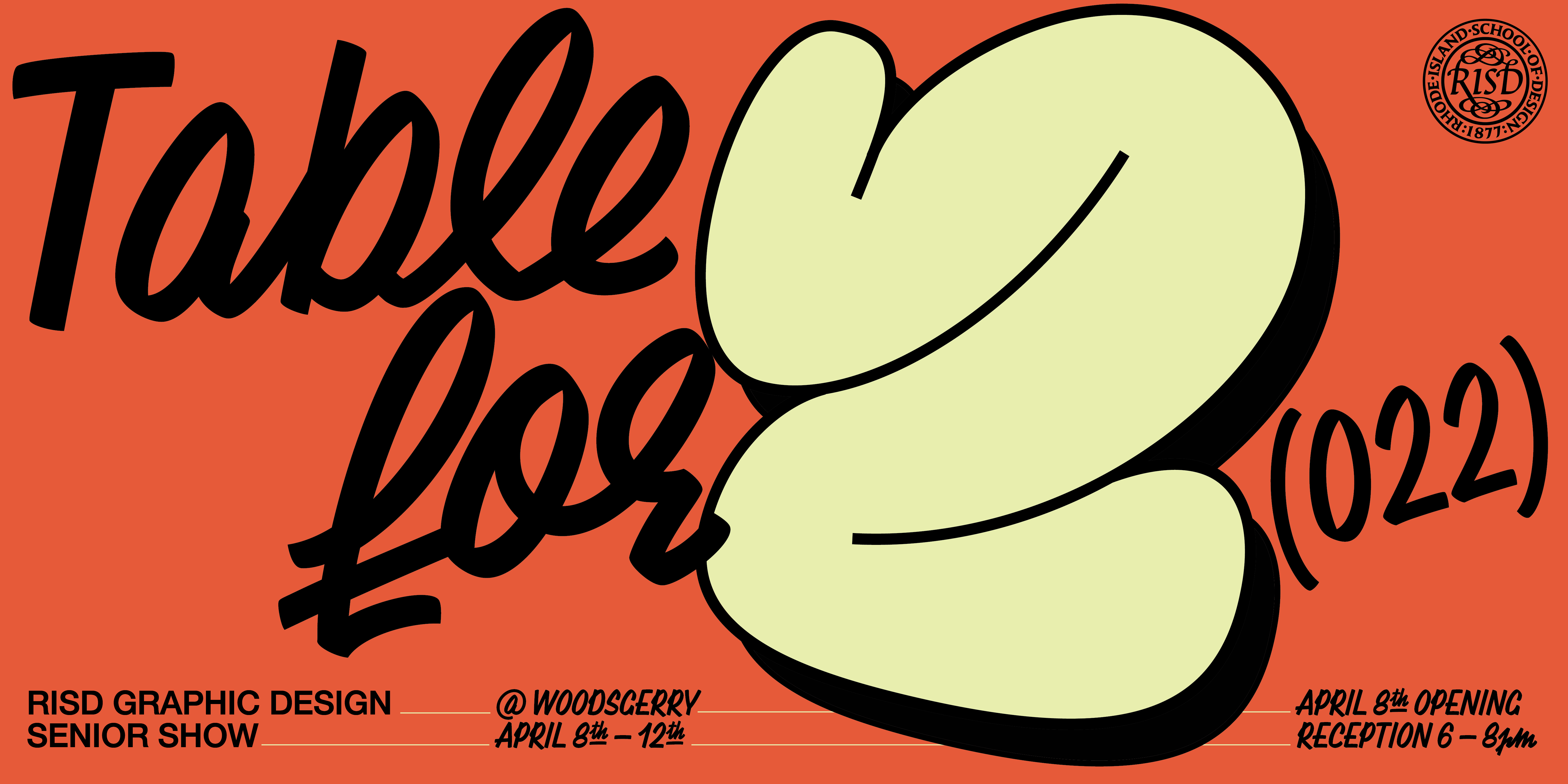
The 2022 Senior Show identity was designed by Mankun Guo, Samaaya Jayamaha, Alejandro Molestina, and Utkan Dora Öncül. See photographs of the exhibition.
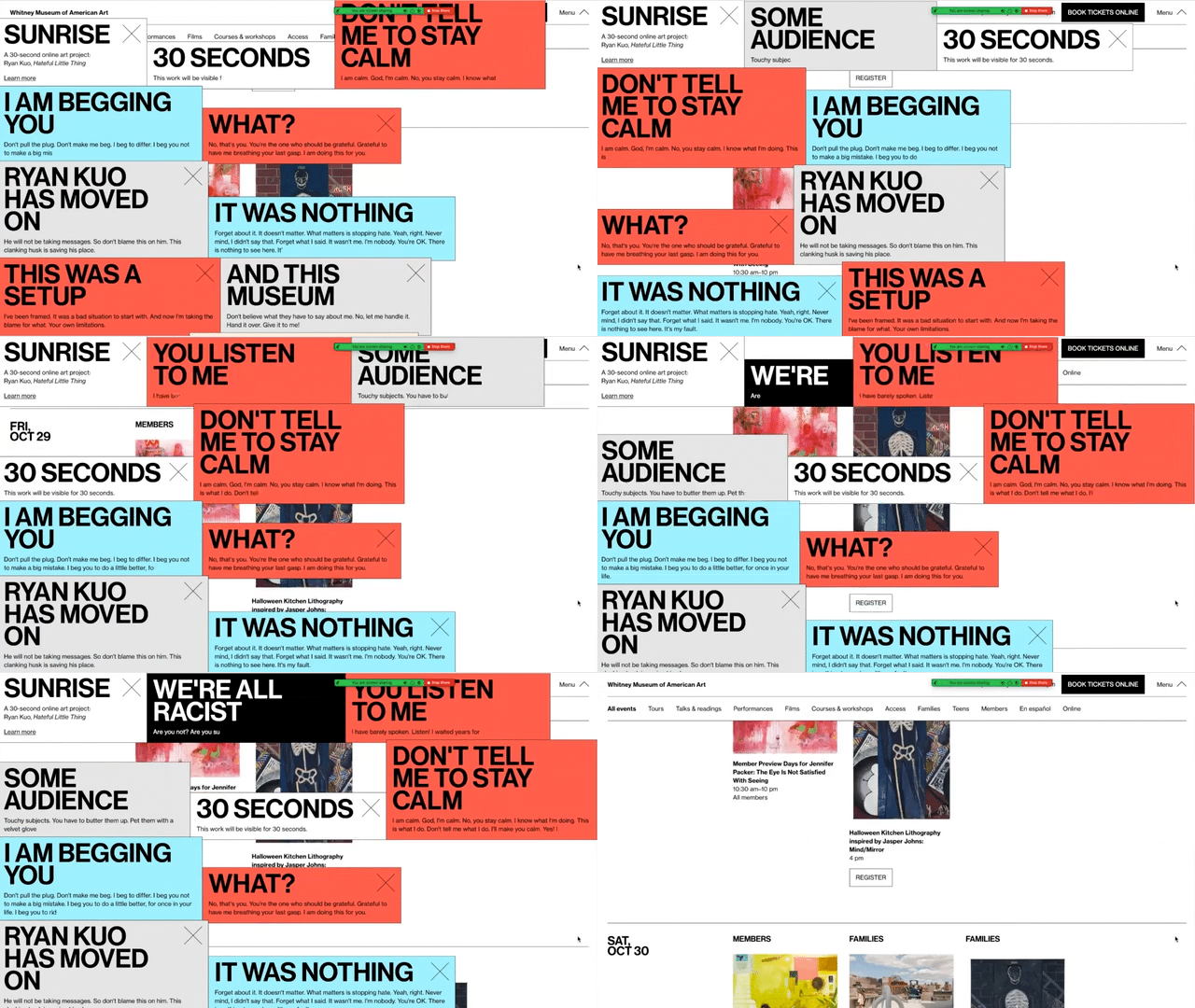
Our 2022 Spring Speakers Series featured talks from Ryan Kuo, Upstatement and Studio Yukiko. Revisit lectures going back to 2014 on our Vimeo channel.
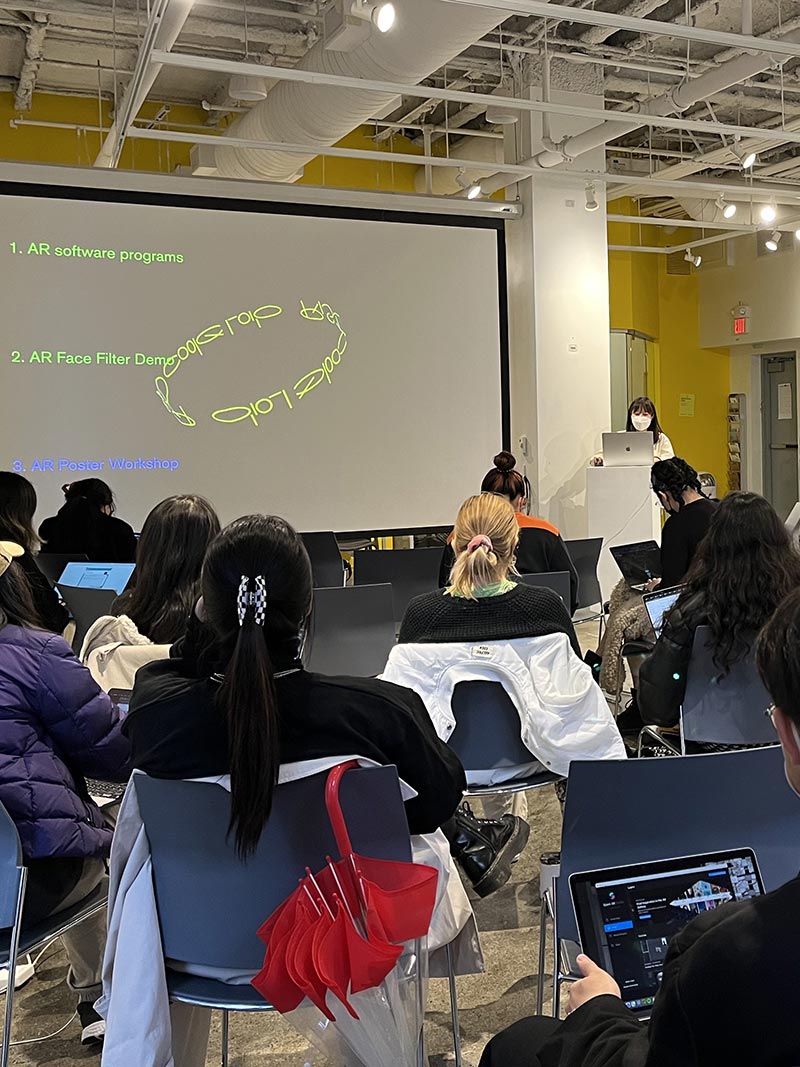
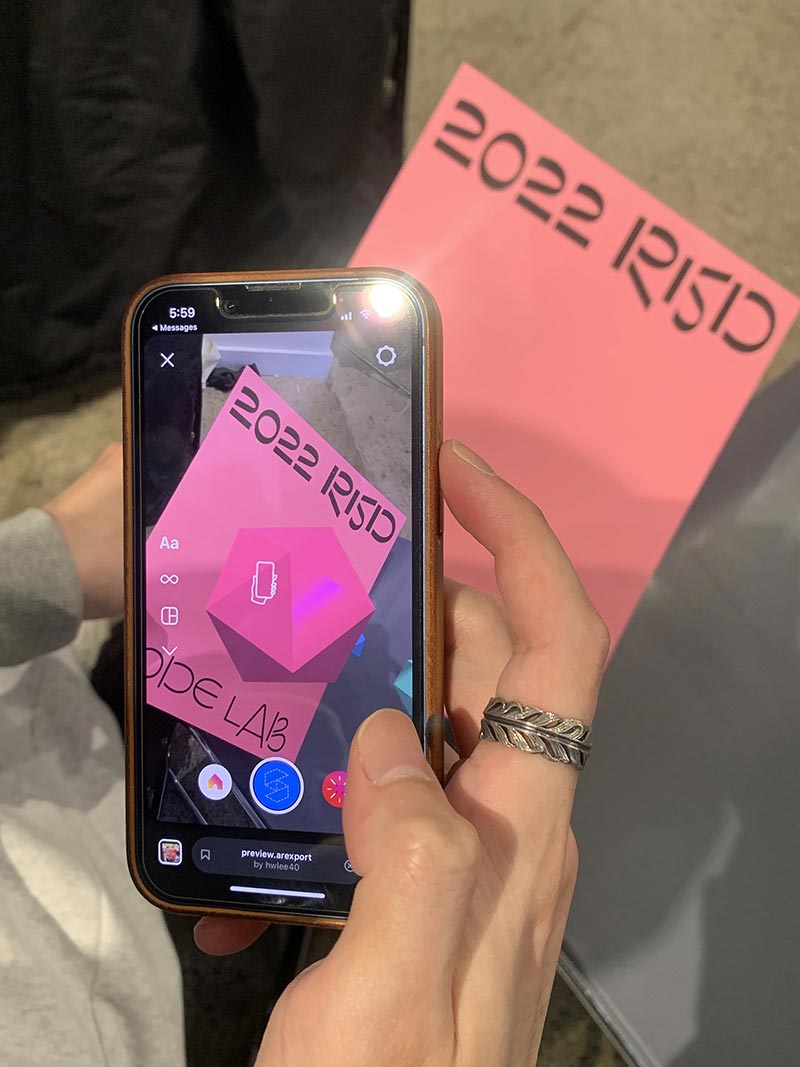
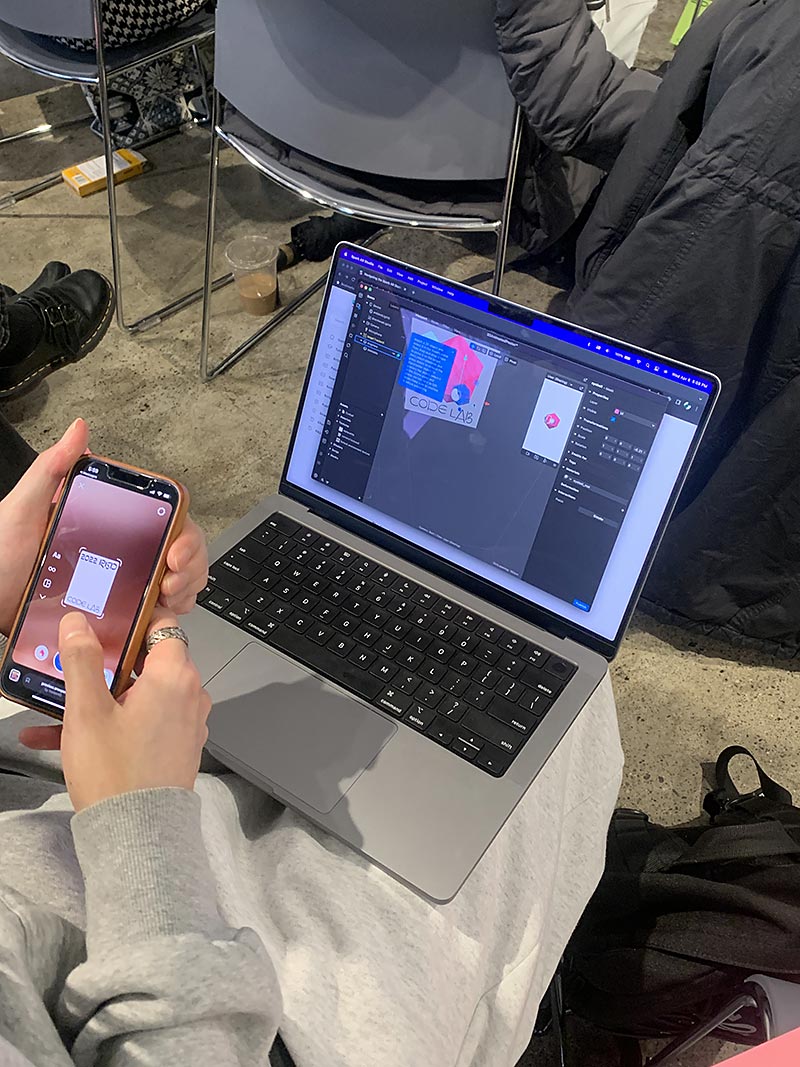
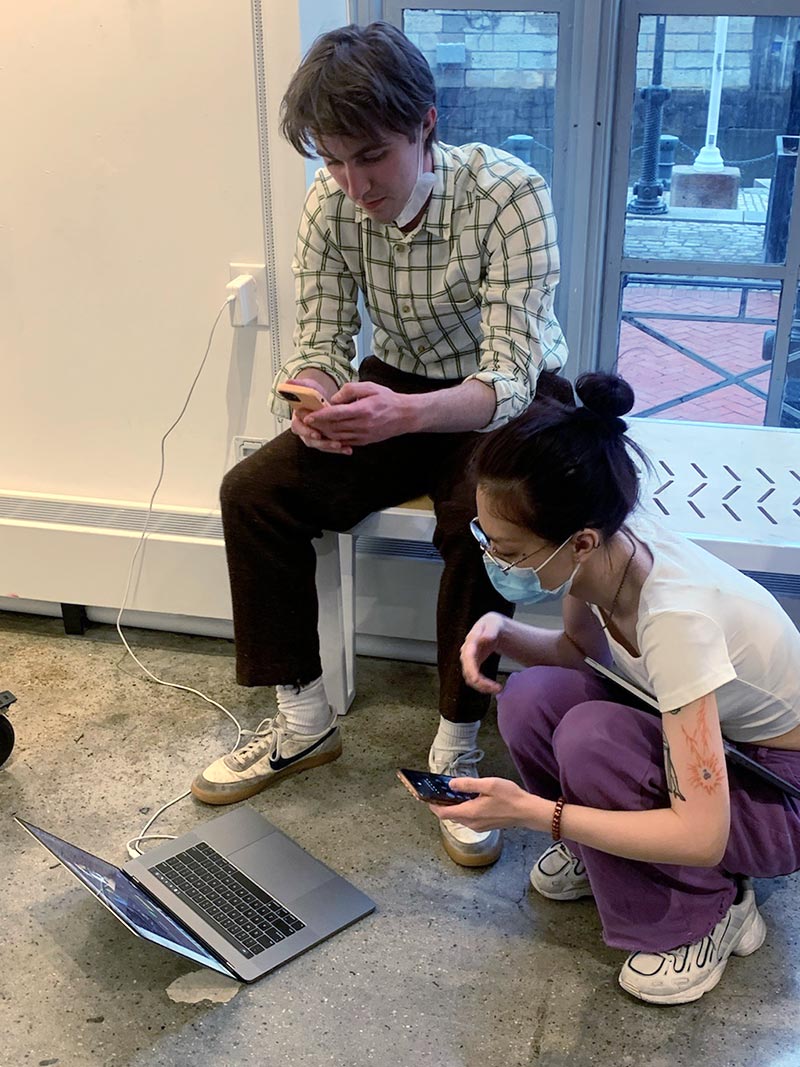
Code Lab, organized by faculty Minkyoung Kim and Marie Otsuka, ran weekly tutoring sessions and workshops throughout the spring semester. Photographs from an AR workshop offered by Halim Lee (MFA 2023), who also designed the identity system for Code Lab. More information on Code Lab.
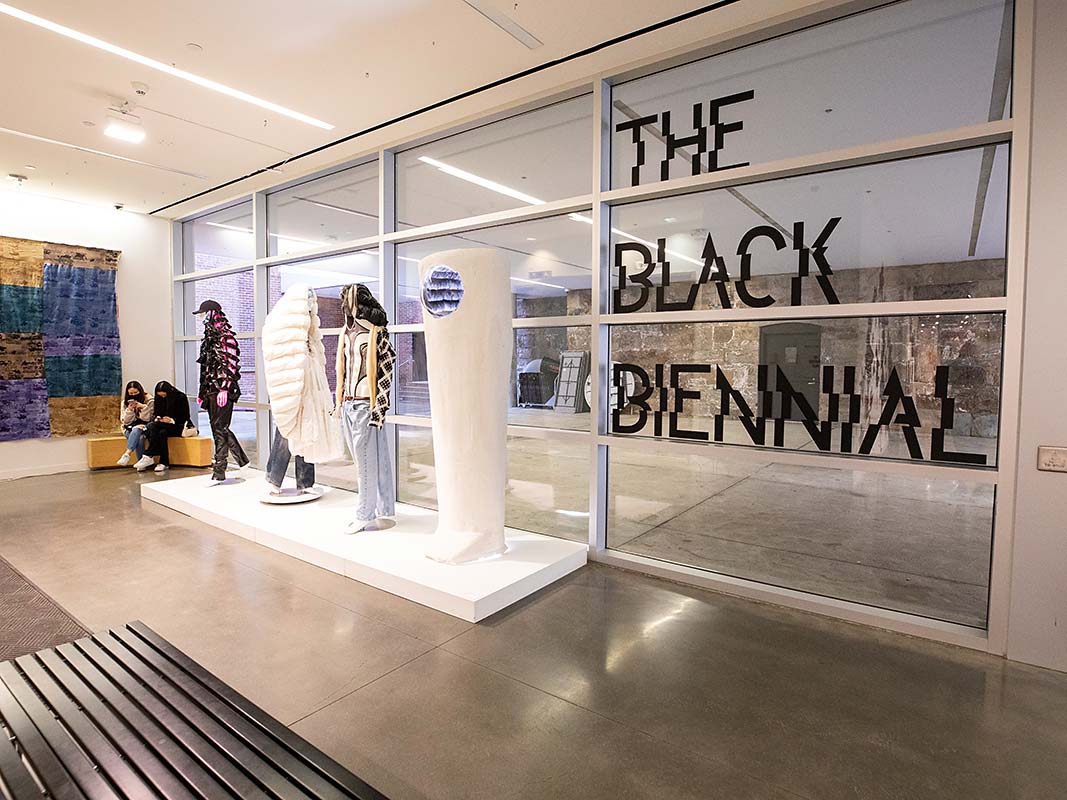
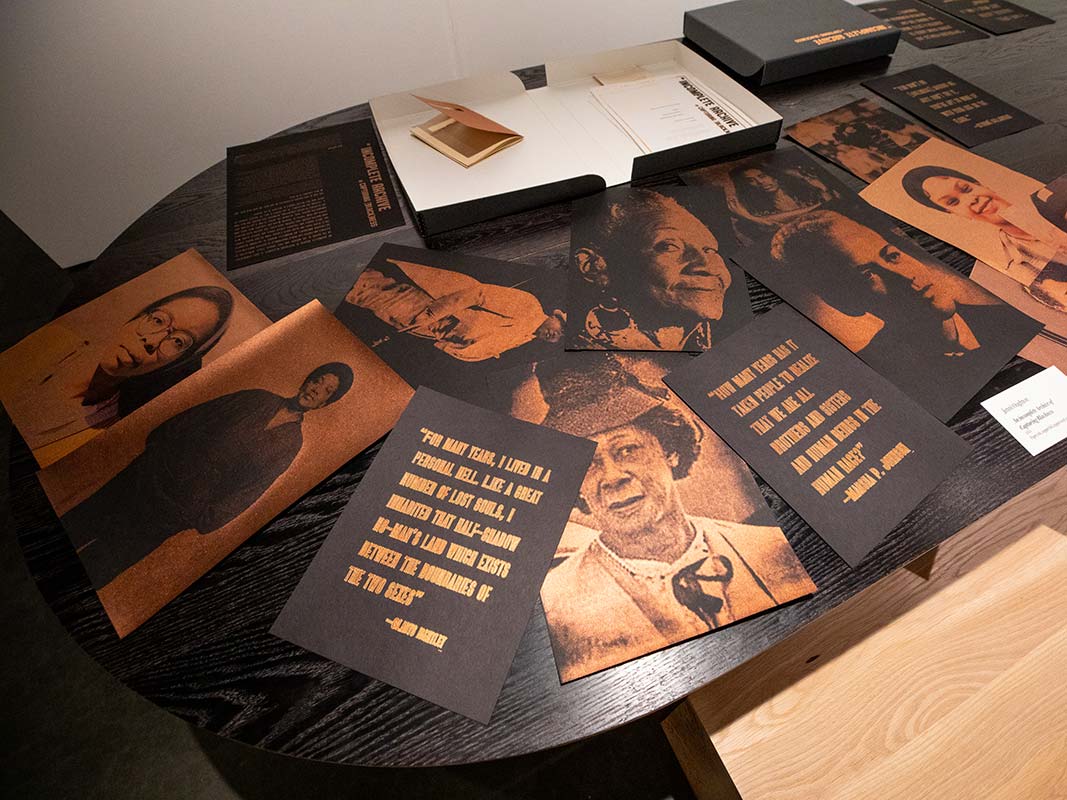
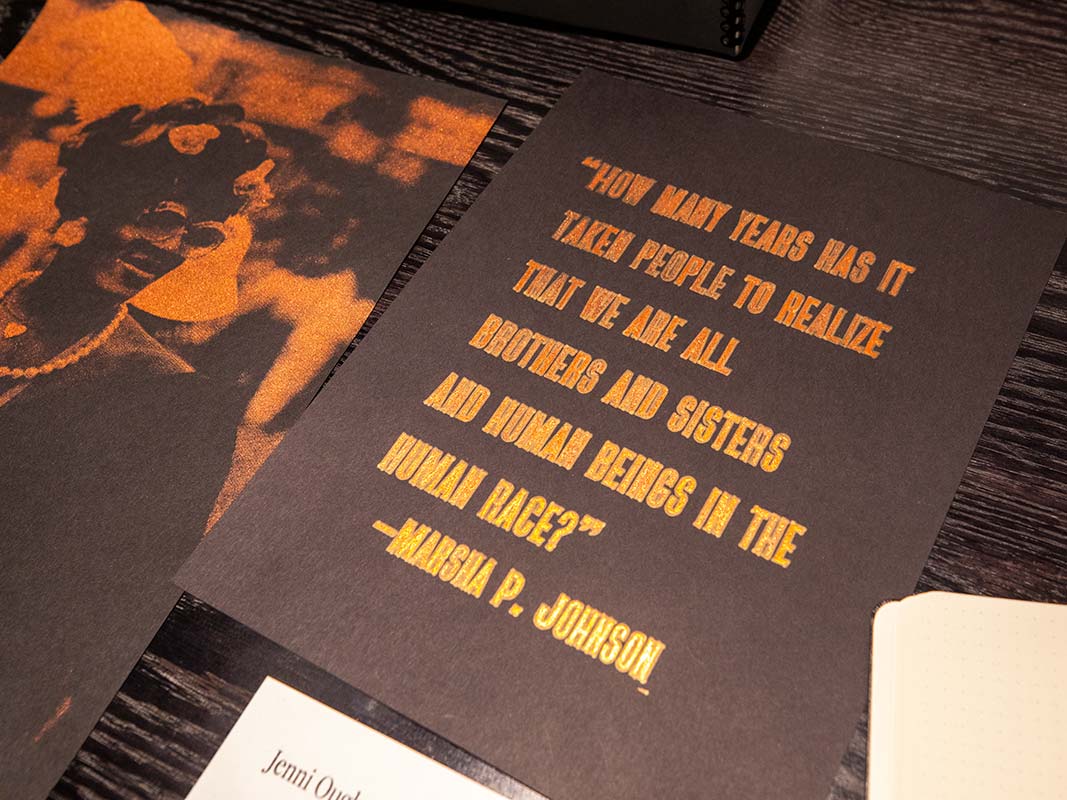
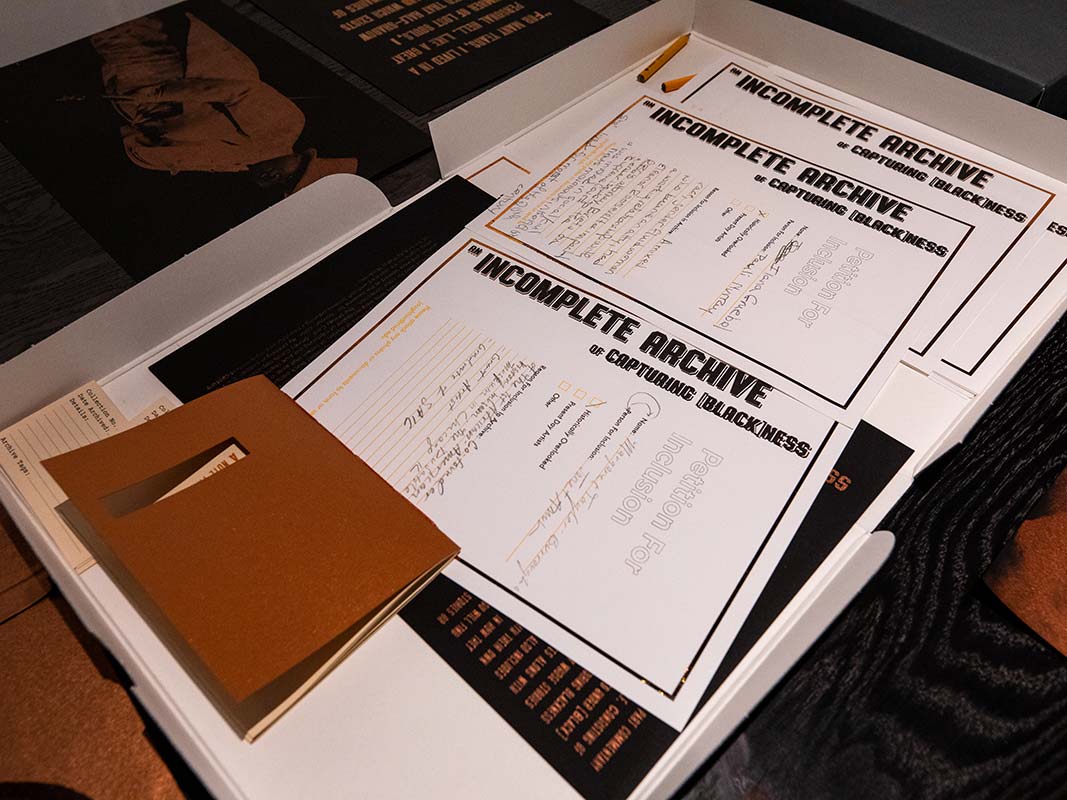
The Black Biennial was a student-led exhibition that brought together Black artists, designers and makers. Jenni Oughton's (MFA 2023) An Incomplete Archive of Capturing Blackness solicited visitors to suggest stories or artists that they believe have been “written out” of traditional narratives of Black History. Identity by Zoë Pulley (MFA 2023).
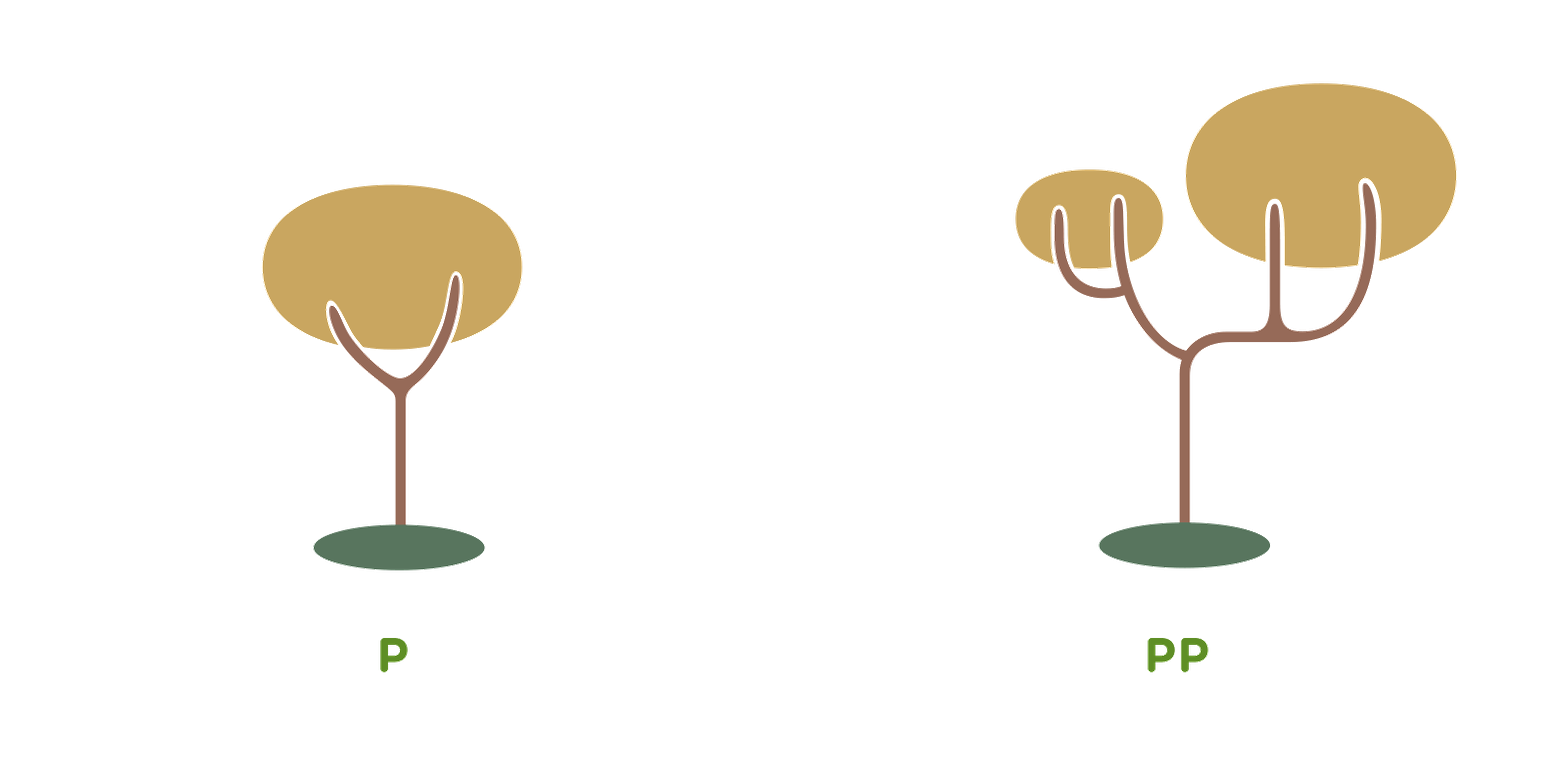
Marigold, from MFA student Serena Ho, is a colored ornamental typeface inspired by the organic forms of the plant kingdom. See more and download.
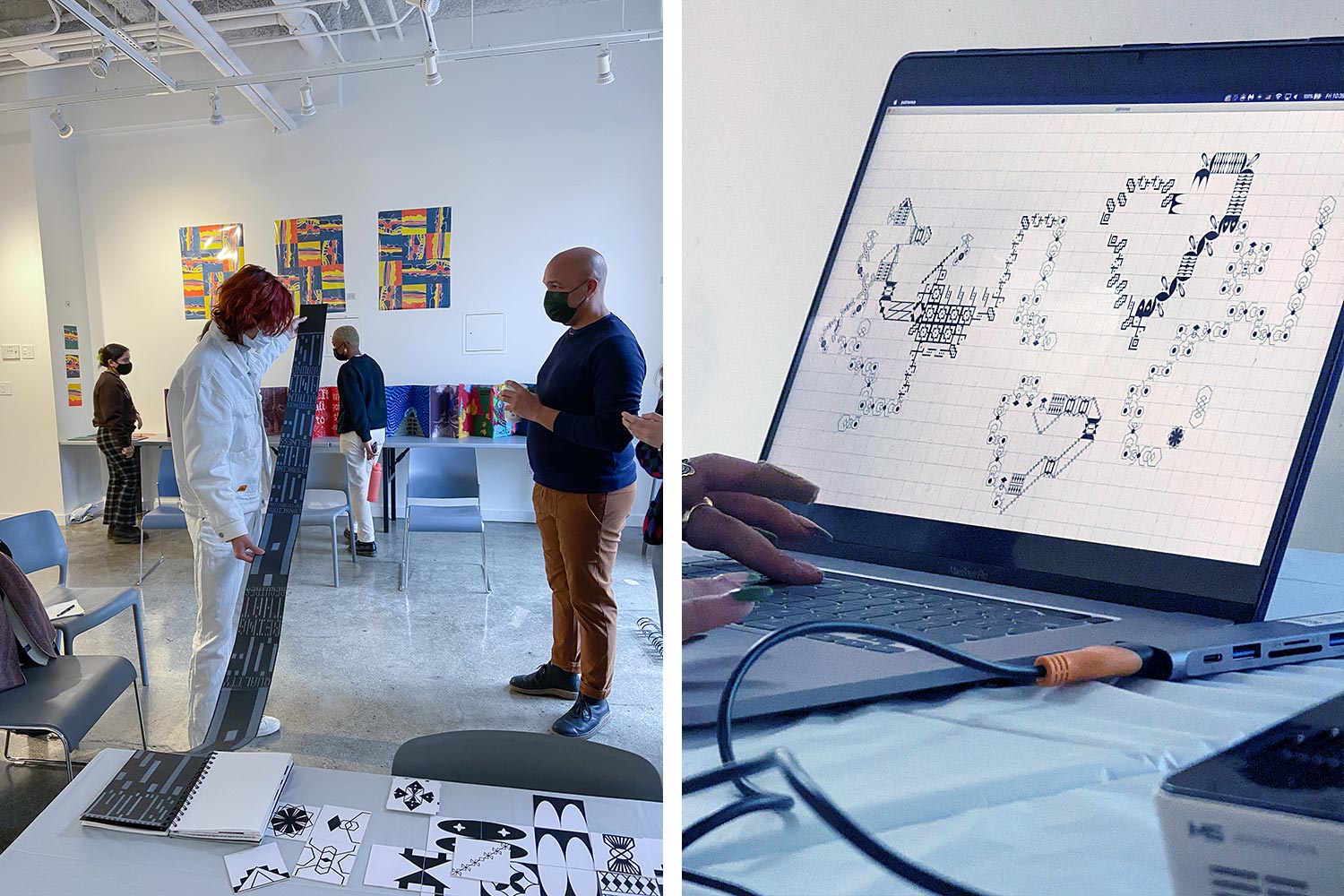
A handful of seniors undertook their Degree Project last fall. Degree Projects are guided by an adviser and result in a variety of subject matter, scales and formats. Visit websites by Jada Akoto and Ji Yi.
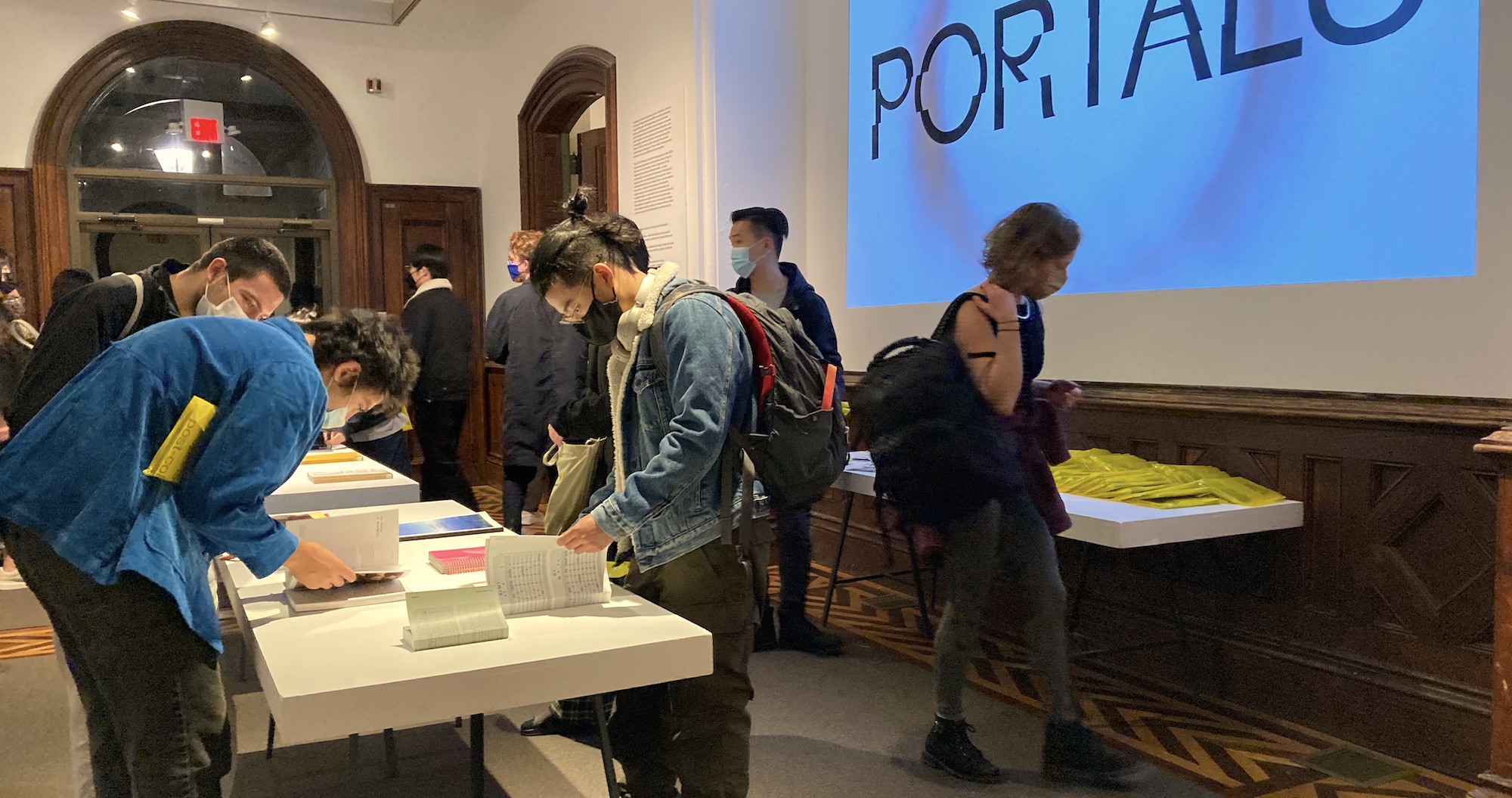
The 2021 GD Triennial was on exhibit at Woods-Gerry Gallery in October 2021. See the website for a selection of projects.
Thank you for visiting. For information on how and when to apply to our programs, visit risd.edu